On This Day in 2022: Qatar Kicks Off First Middle East World Cup
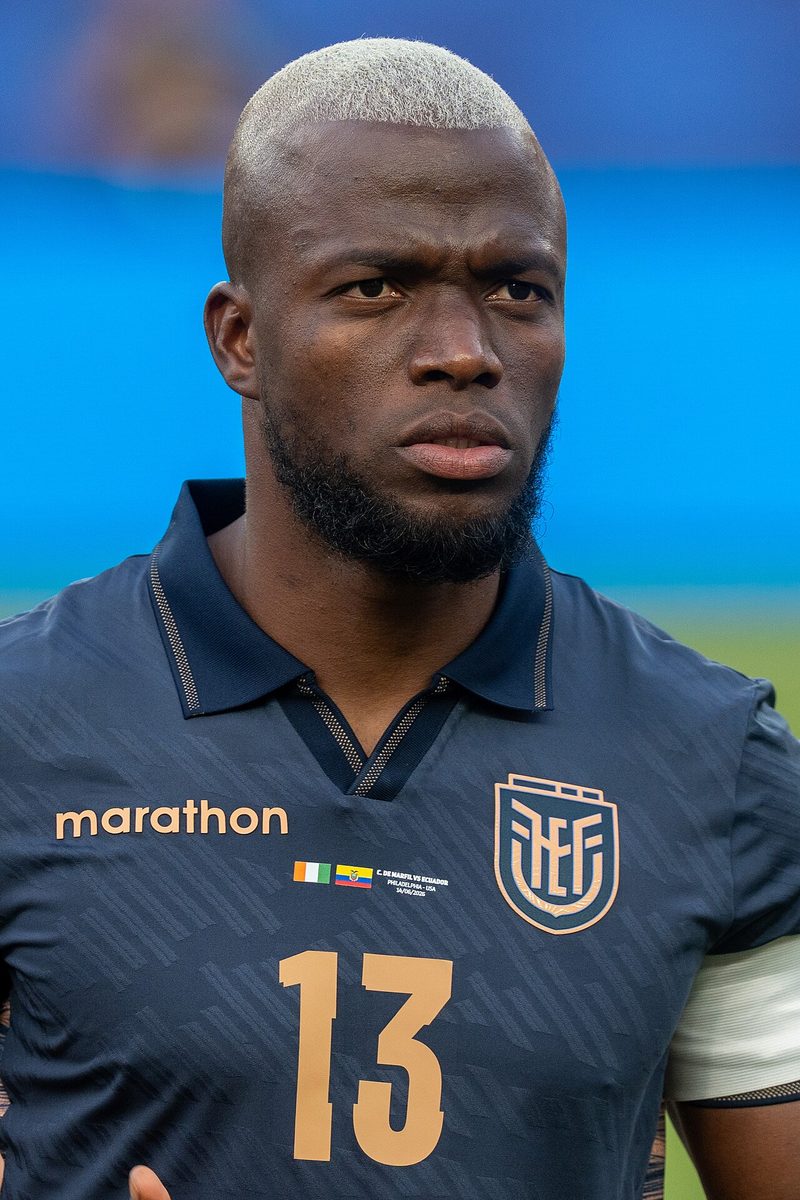
Enner Valencia's opening-night brace launched a 29-day winter tournament that concluded with a record 172 goals and Argentina's third title.
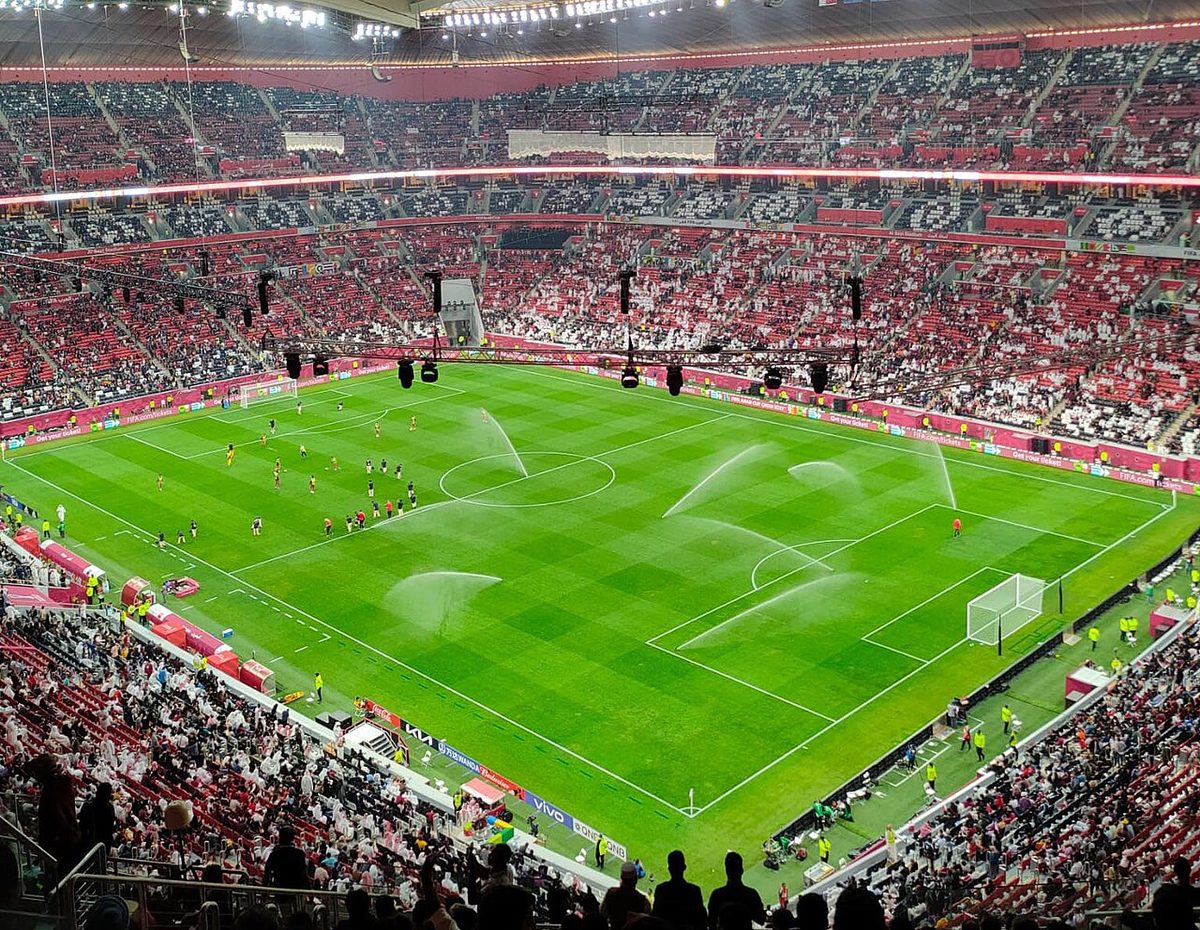
On 20 November 2022, the 22nd FIFA World Cup commenced at the 60,000-capacity Al Bayt Stadium in Al Khor, marking the first time football's premier tournament was staged in the Middle East and the Arabian Peninsula. In the opening match, Ecuador defeated hosts Qatar 2-0 behind two first-half goals from forward Enner Valencia, who converted a 16th-minute penalty and placed a header into the bottom corner in the 31st minute before a crowd of 67,372 spectators. The result made Qatar the first host nation in the 92-year history of the competition to lose its opening game.
A Winter Calendar and Twelve Years of Scrutiny
FIFA awarded the 2022 hosting rights to Qatar on 2 December 2010 in Zurich, Switzerland, when its 22-member Executive Committee selected the Gulf peninsula over rival bids from the United States, South Korea, Japan, and Australia. Two committee members had been suspended prior to the ballot following corruption investigations, and FIFA's technical evaluation team had classified Qatar's summer bid as carrying "high operational risk."
To avoid Qatar's extreme summer temperatures and high humidity, FIFA shifted the tournament window to November and December for the first time in World Cup history. The decision required domestic leagues, including all major European competitions, to pause their seasons between late November and late December. Organisers condensed 64 matches into a 29-day schedule across eight stadiums located within five Qatari municipalities: Al Khor, Al Rayyan, Al Wakrah, Doha, and Lusail.
Throughout the 12-year buildup, the tournament drew persistent international scrutiny regarding allegations of corruption, Qatar's human rights record, legal prohibitions affecting LGBTQ+ individuals, and the treatment of migrant workers. Expatriates and migrant labourers accounted for over three million of Qatar's 3.18 million residents during the infrastructure boom that delivered seven newly constructed stadiums, an expanded metro network, and new expressways across the peninsula.
The Final 32-Team Chapter and Technical Innovations
The 2022 tournament marked the conclusion of the 32-nation format that had governed the World Cup since 1998, ahead of the planned expansion to 48 teams for the 2026 edition in North America. FIFA allocated a total prize fund of $440 million—an increase of $40 million from the 2018 tournament in Russia—guaranteeing each qualified national team at least $9 million in prize money alongside $1.5 million in preparation disbursements.
Qatar 2022 also introduced significant rule updates to the global tournament. For the first time at a men's World Cup, teams were permitted five substitutions in normal time, with a sixth allowed in extra time. It also became the first edition to implement dedicated concussion substitutions that did not count against a team's regular substitution allowance; Iran used the first such replacement in World Cup history the following afternoon when goalkeeper Alireza Beiranvand suffered a head collision and Hossein Hosseini replaced him against England.
Record Goals and a Historic Conclusion
Over the 29 days of competition, the 32 competing nations produced 172 goals, surpassing the previous record for the 32-team format, with every participating team registering at least one goal. The tournament saw Morocco become the first African and Arab nation to reach the semi-finals, where they were eliminated 2-0 by France.
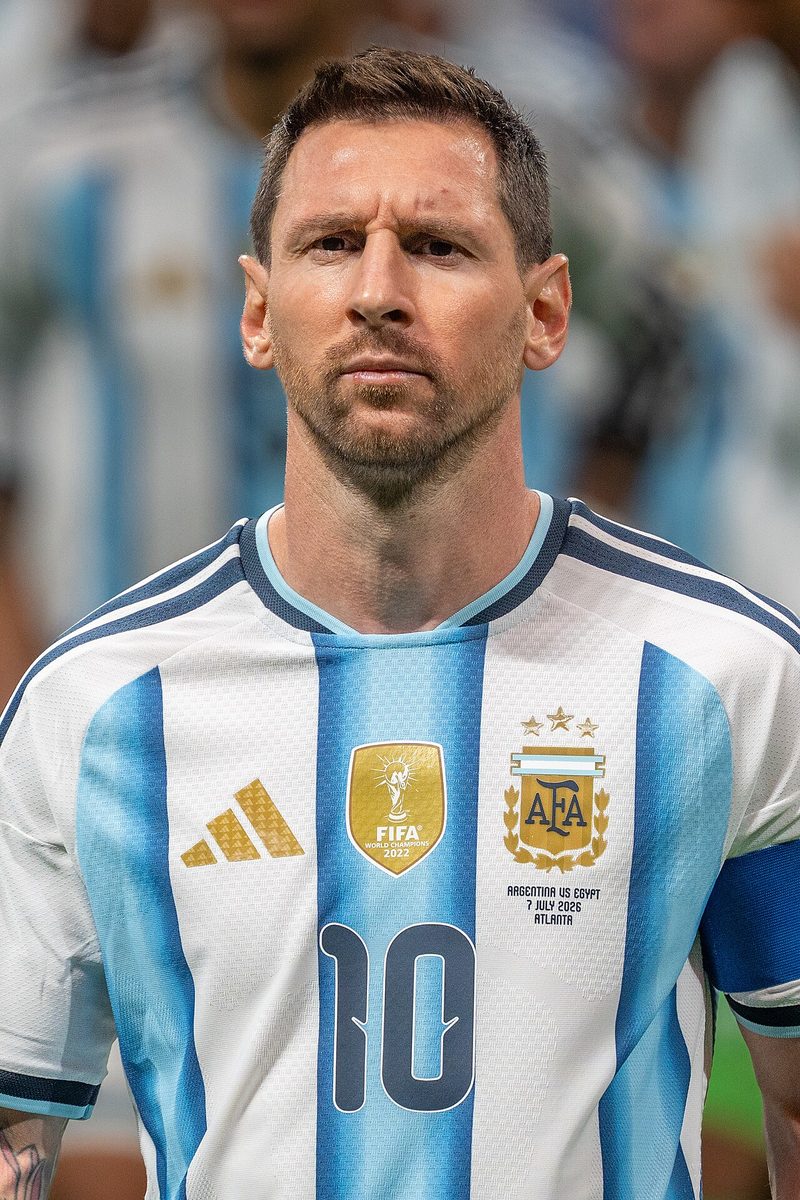
The tournament concluded on 18 December 2022—Qatar's National Day—at Lusail Stadium in a final between Argentina and defending champions France. Following a 3-3 draw through 120 minutes of extra time, Argentina won the penalty shootout 4-2 to claim their third World Cup title and their first since 1986, ending a 20-year run of European champions dating back to Brazil's victory in 2002. Argentine captain Lionel Messi received the Golden Ball as the tournament's best player, while France's Kylian Mbappé captured the Golden Boot with eight goals after scoring the first men's World Cup final hat-trick since England's Geoff Hurst in 1966.