On This Day in 1917: How an Owner Feud Birthed the National Hockey League
Frustrated by Toronto Blueshirts owner Eddie Livingstone, rival NHA executives met at Montreal's Windsor Hotel to create a breakaway competition.
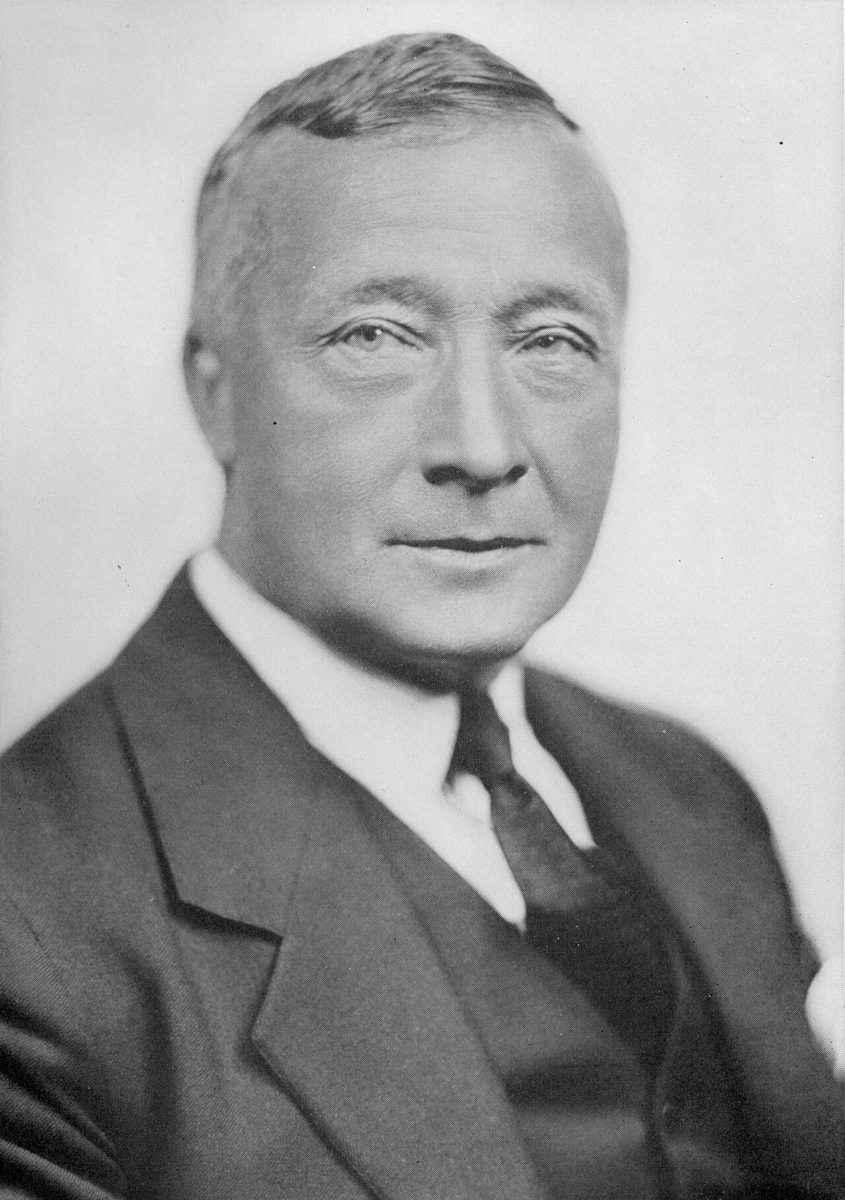
On November 26, 1917, representatives from four National Hockey Association clubs met at the Windsor Hotel in Montreal and signed an agreement to abandon their existing organisation and establish a new competition: the National Hockey League. The breakaway was not conceived as a grand continental blueprint, but as a legal loophole designed to freeze out Edward James Livingstone, the combative principal owner of the Toronto Blueshirts.
Four club figures gathered in the Montreal hotel room to formalise the split: Sam Lichtenhein of the Montreal Wanderers, George Kennedy of the Montreal Canadiens, Tommy Gorman on behalf of the Ottawa Senators, and Mike Quinn of the Quebec Bulldogs. Former NHA secretary Frank Calder was elected the NHL's first president. When Montreal reporter Elmer Ferguson asked what the closed-door discussions had yielded, Kennedy delivered the unvarnished truth: "It's like our old league except that we haven't invited Eddie Livingstone to be part of it."
Two franchises, player raids and wartime strain
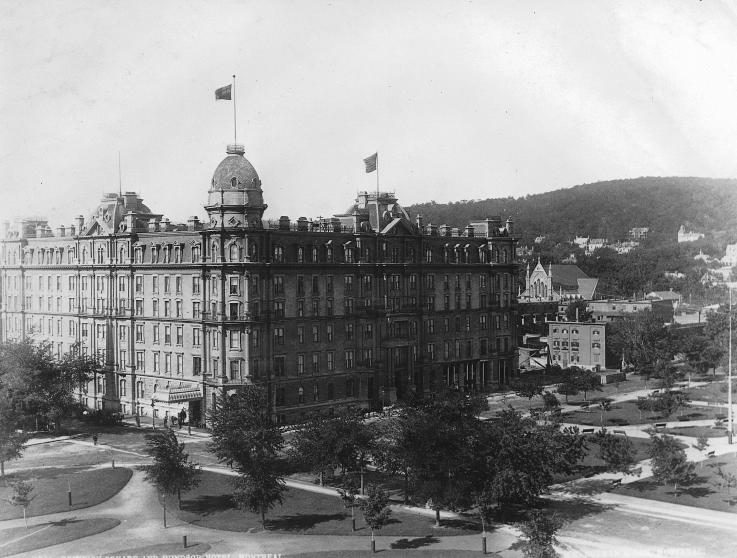
Livingstone, a former Ontario Hockey Association referee and journalist for the Toronto Mail and Empire, entered professional ownership by purchasing the Toronto Ontarios in 1914, renaming them the Toronto Shamrocks. Ahead of the 1915–16 season, he bought the Toronto Blueshirts from Frank Robinson for CA$2,000. The league demanded he divest the Shamrocks by November 20, 1915, to avoid owning two franchises. Before a deal could materialise, Frank and Lester Patrick of the Pacific Coast Hockey Association raided the Blueshirts' roster, luring away key skaters including Frank Foyston, Cully Wilson, and goaltender Hap Holmes. To field a team, Livingstone transferred Shamrocks players into Blueshirts sweaters, leaving the Shamrocks assetless; when the deadline passed without a sale, the NHA seized the Shamrocks franchise.
Tensions erupted on multiple fronts. On February 3, 1915, Lichtenhein's Wanderers were awarded a forfeit win when Livingstone refused to ice a team while defencemen George and Howard McNamara attended their dying father's bedside. Lichtenhein offered $3,000 for Livingstone to walk away from hockey; Livingstone countered with an offer of $5,000 for Lichtenhein to shutter the Wanderers. During the 1916–17 campaign, as Canadian military commitments for the First World War stripped rosters, Livingstone sparred over player rights, suspending star Cy Denneny before selling him to Ottawa for an unprecedented $1,800.
Matters reached a boiling point in February 1917 when the 228th (Northern Fusiliers) Battalion of the Canadian Expeditionary Force, which had iced an NHA team, was mobilised overseas. To balance the remaining schedule, rival owners met without Livingstone on February 11, voted to suspend the Blueshirts, and distributed Toronto's players to other clubs via a lottery.
The constitutional dead end at the Windsor Hotel
When the 1916–17 season concluded, the NHA reinstated the Toronto franchise on the condition that Livingstone sell within 60 days. Livingstone refused multiple purchase offers, launched lawsuits against his fellow owners, and secured a court injunction blocking any forced transfer. Rival owners discovered that the NHA constitution contained no mechanism permitting a majority to expel a member club.
Faced with a litigious partner they could neither discipline nor remove, Gorman, Kennedy, Lichtenhein, and Quinn chose to dissolve the operational machinery around him. Gorman remarked that Livingstone was "always arguing" and declared that without him, owners could focus on commercial stability. By suspending the NHA indefinitely and creating the National Hockey League as an entirely separate corporate entity, they left Livingstone holding an empty charter in an inactive league.
A temporary Toronto club lifts the Stanley Cup
Because Quebec faced acute financial difficulties and suspended operations, the new league faced an unbalanced three-team schedule between the Canadiens, Wanderers, and Senators. To secure access to Toronto's Arena Gardens—Canada's modern artificial-ice venue—the NHL granted a temporary franchise to the building's operating company, the Toronto Arena Company. The Arena Company leased Livingstone's former Blueshirts players without his consent.
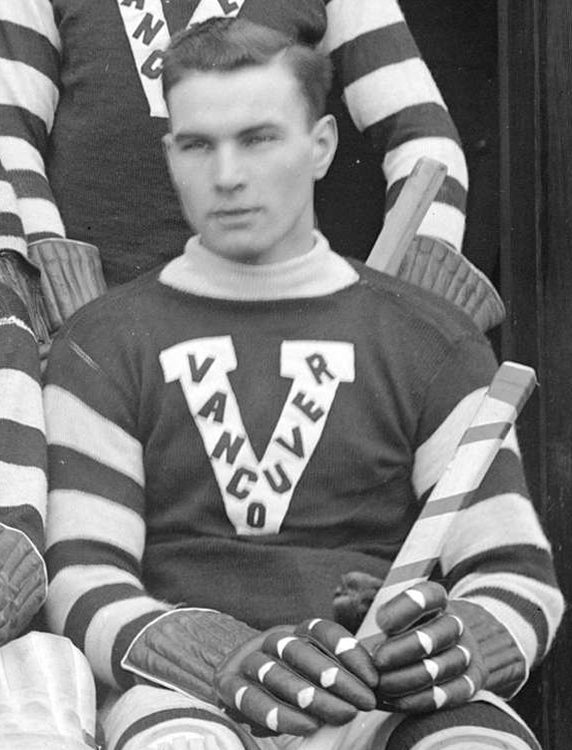
The NHL opened its inaugural season on December 19, 1917. That temporary Toronto squad, competing without an official nickname, captured the NHL championship and went on to defeat the PCHA's Vancouver Millionaires in March 1918 to claim the Stanley Cup. The Arena Company received a permanent franchise the following season, establishing the lineage of the modern Toronto Maple Leafs. Livingstone spent more than a decade in Canadian courts fighting the seizure of his roster, eventually winning substantial damages from the Arena Company and the defunct NHA, but he never returned to the league born from his exclusion.