The Boy from Madeira Who Rewrote Football: The Life and Legacy of Cristiano Ronaldo
From a tin-roofed home in Funchal and teenage heart surgery to five Champions Leagues and over 980 career goals
In the summer of 1997, a 12-year-old boy boarded a flight away from Madeira to mainland Lisbon, leaving his family behind with only a suitcase and a £1,500 youth transfer agreed between Nacional and Sporting CP. He spoke with an island accent that drew ridicule in the capital, cried nightly in his academy dorms, and carried the hopes of a household on the brink of poverty. Nearly three decades later, that boy stands as the most prolific goalscorer in the recorded history of world football.
Cristiano Ronaldo dos Santos Aveiro was born on 5 February 1985 in São Pedro, a parish of Funchal, and was raised in the hillside neighbourhood of Santo António. His mother, Maria Dolores dos Santos Viveiros Aveiro, worked long hours as a cook and cleaner. His father, José Dinis Aveiro, was a municipal gardener and a part-time kit man at local amateur side Andorinha. José Dinis had returned from military service during the Portuguese Colonial War in Angola traumatised by combat, spiralling into a lifelong struggle with alcoholism. Ronaldo shared a single bedroom with his older brother Hugo and two older sisters, Elma and Liliana Cátia, in a strict Catholic household. Through his great-grandmother Isabel da Piedade, he traced ancestry to São Vicente in Cape Verde. His father, an admirer of United States president Ronald Reagan, chose the middle name Ronaldo. Before his birth, Dolores had considered terminating the pregnancy because the family had too many mouths to feed, but a local doctor refused to perform the procedure.
Football became his sanctuary. Ronaldo played for Andorinha between 1992 and 1995 before spending two seasons at Nacional. At Sporting CP's academy in Lisbon, adversity mounted quickly. Enrolled at Escola EB2 de Telheiras, he was expelled after hurling a chair at a teacher who mocked his Madeiran dialect. At age 14, he reached a pact with his mother and his Sporting tutor, Leonel Pontes, to halt his formal schooling at the sixth grade and devote every waking hour to the pitch. A year later, routine medical checks revealed tachycardia, an irregular heart rhythm that threatened to end his sporting career before it began. He underwent laser cardiac ablation surgery to cauterise multiple pathways in his heart. Discharged that afternoon, he resumed training within days.
From Lisbon to Manchester: The No. 7 mantle
Sporting manager László Bölöni handed the 17-year-old Ronaldo his senior debut on 14 August 2002 against Inter Milan in Champions League qualifying. On 7 October 2002, Ronaldo announced his arrival in the Primeira Liga by scoring twice in a 3–0 win over Moreirense. Less than ten months later, on 6 August 2003, Sporting hosted Manchester United for the opening of the Estádio José Alvalade. Ronaldo tormented United's defence in a 3–1 Sporting victory. Manager Alex Ferguson refused to leave the stadium without securing the teenager, and on 12 August 2003, United paid £12 million—then a record for an English teenager.
Ronaldo asked for the number 28 he wore in Lisbon, but Ferguson handed him United's iconic number 7, vacated by David Beckham and previously worn by George Best and Eric Cantona. On 16 August 2003, Ronaldo came off the bench against Bolton Wanderers for a 30-minute debut that prompted Best to call it "undoubtedly the most exciting debut" he had ever seen. He scored his first United goal against Portsmouth on 1 November 2003 and opened the scoring in the 2004 FA Cup Final win over Millwall.
A critical turning point arrived at the 2006 FIFA World Cup in Germany. After Wayne Rooney's red card in the quarter-final, Ronaldo was cast as a villain across English tabloids, enduring hostile jeers at every Premier League ground during the 2006–07 season. Rather than wilting, he registered 20 league goals to deliver United's first league title in four years. The following year, in 2007–08, Ronaldo produced 42 goals in all competitions, won the Champions League final in Moscow against Chelsea, and collected his first Ballon d'Or at age 23.
Madrid milestones and European glory
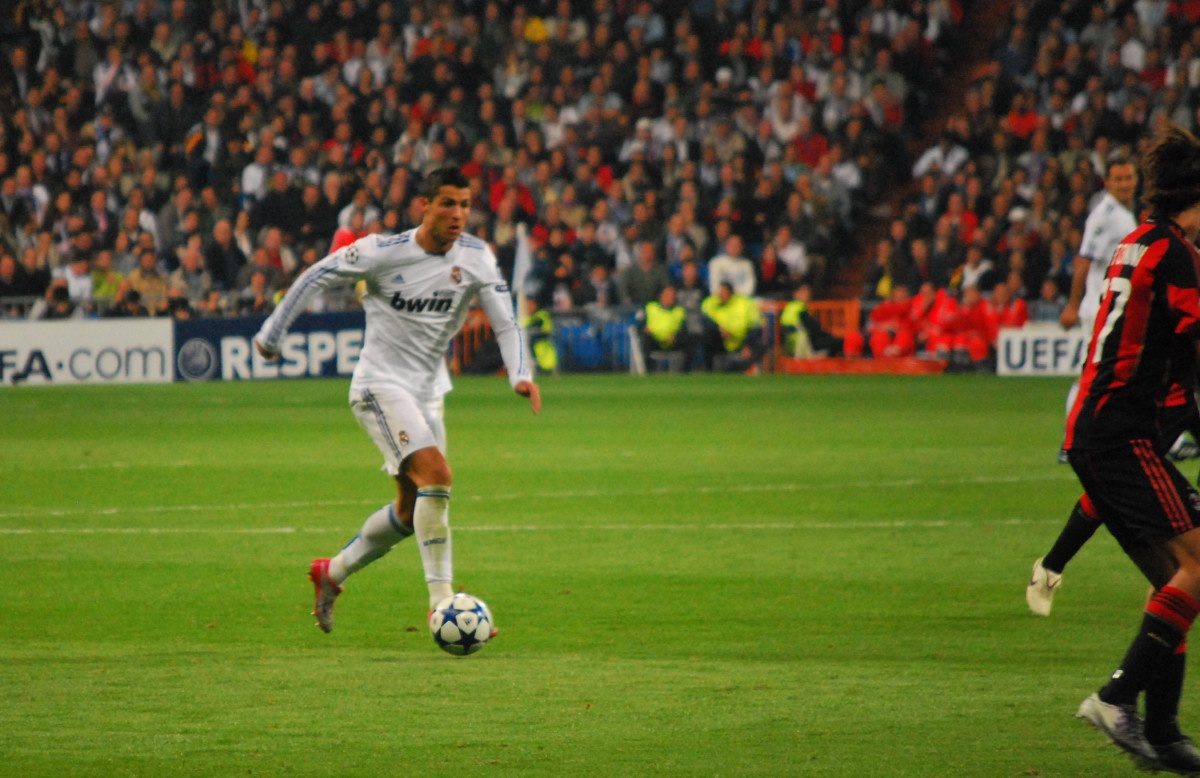
In July 2009, Real Madrid paid a world-record €94 million (£80 million) to bring Ronaldo to the Santiago Bernabéu. Over the course of nine seasons in Madrid, Ronaldo redefined modern attacking output, scoring 451 goals in just 438 competitive games. He claimed four UEFA Champions League titles—including three consecutive trophies from 2014 to 2018—two La Liga crowns, and four additional Ballons d'Or. During the 2013–14 European campaign, he set an all-time tournament record with 17 goals.
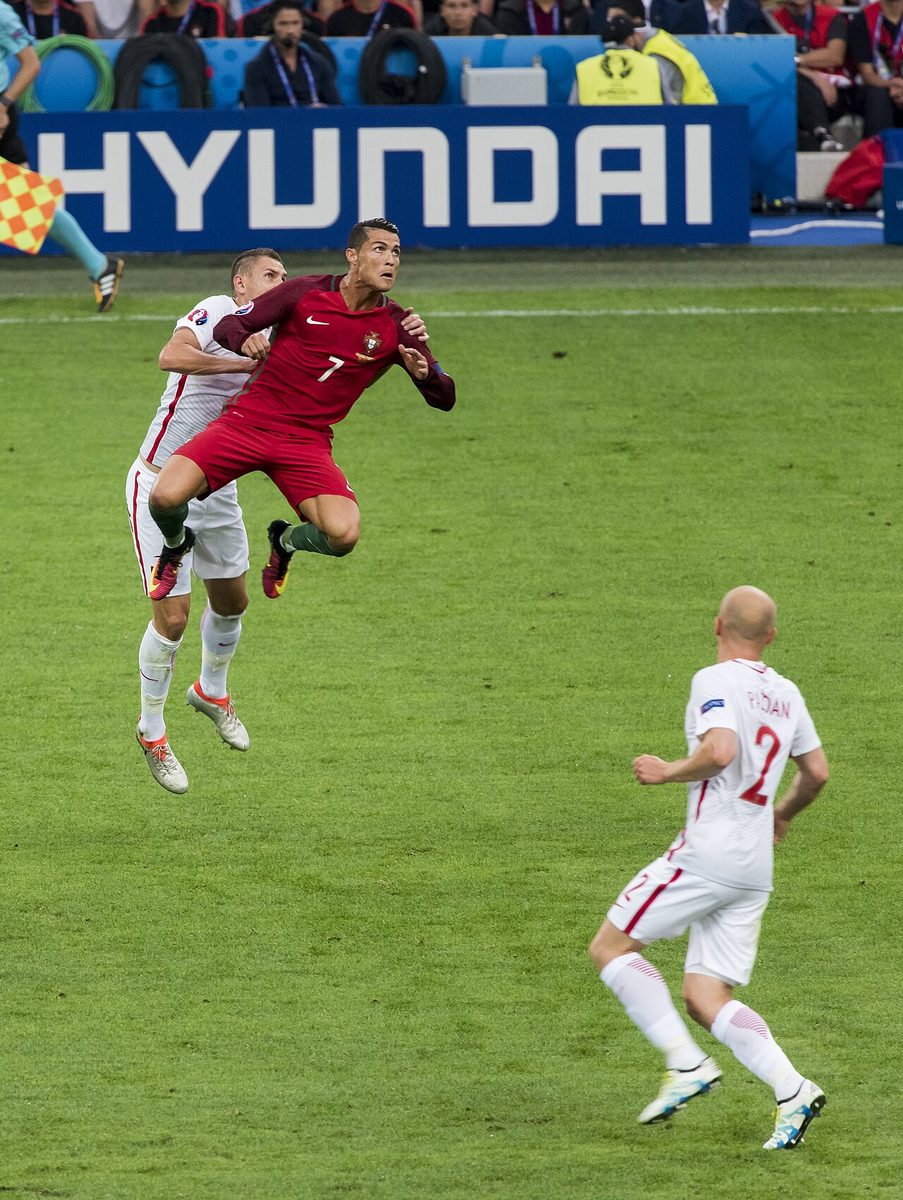
International duty completed his narrative of perseverance. After weeping on the pitch as a 19-year-old when Portugal lost the Euro 2004 final on home soil to Greece, Ronaldo was named national team captain in 2008. At Euro 2016 in France, a knee injury forced him off in tears during the first half of the final against the hosts. Bandaged on the sideline, he spent the second half barking instructions beside coach Fernando Santos as Éder struck an extra-time winner to secure Portugal's first major trophy. He later captained Portugal to UEFA Nations League titles in 2019 and 2025.
A record legacy from Riyadh to history
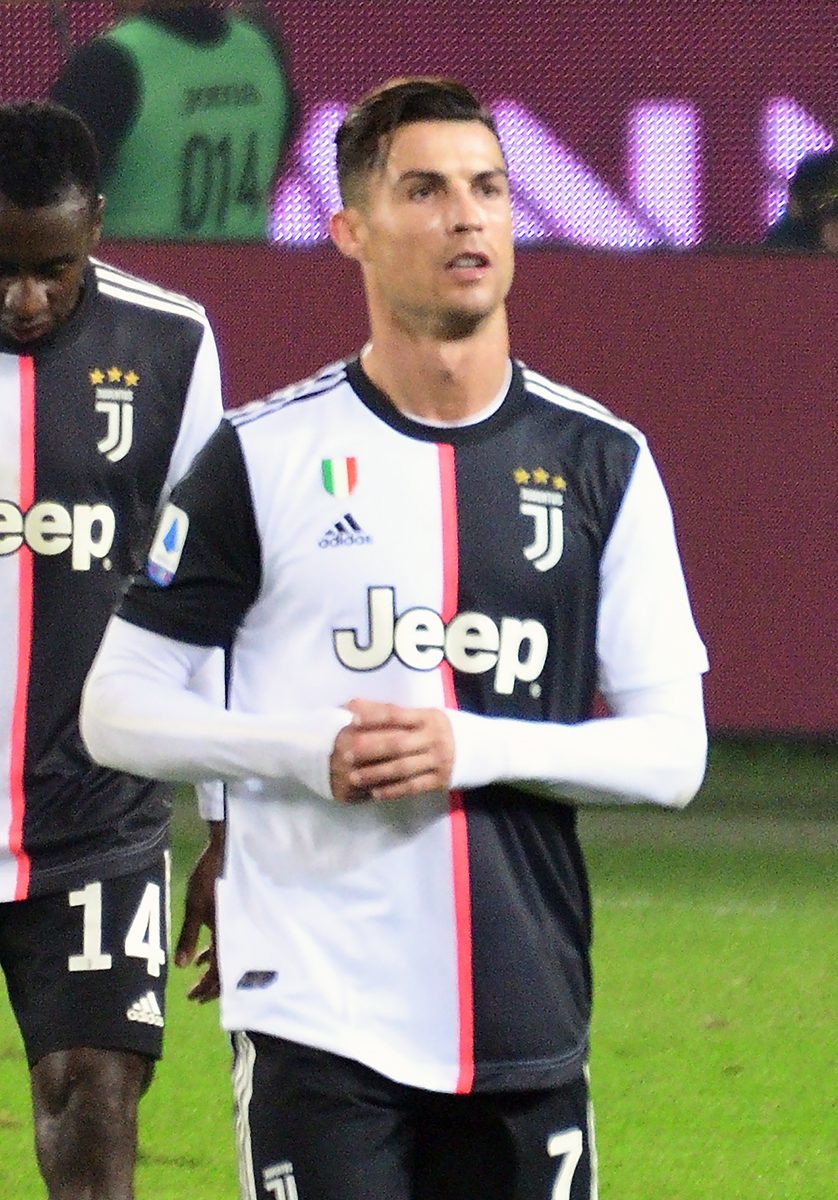
After winning two Serie A titles and a Coppa Italia during a 101-goal stint at Juventus, followed by a return to Old Trafford, Ronaldo signed with Saudi Pro League side Al-Nassr in January 2023. In Saudi Arabia, he finished as the league's top scorer in both 2024 and 2025 before captaining Al-Nassr to the domestic league championship in 2026.
In November 2026, Ronaldo concluded his 23-year international career with Portugal, retiring with world-record tallies of 234 caps, 146 goals, and 141 international victories. Across senior club and international football, his count stands above 980 official goals in more than 1,300 competitive appearances. Off the pitch, Forbes placed his net worth at $1.2 billion in 2026, complemented by an audience exceeding one billion followers across digital platforms. The trajectory that began on the concrete alleys of Santo António remains football's most enduring monument to discipline and relentless will.